Cleaning the oven without harsh chemicals requires basic baking soda, water, white vinegar, and time. You will mix a thick paste, coat the inside of your oven, and let it sit for twelve hours to break down burnt food. This simple method removes grease without any bad fumes or strong scents in your home.
How do I clean an oven naturally?
To clean your oven naturally, you need a few basic tools from your pantry. Gather these items before you begin so you can work quickly without stopping.
- Baking soda: Half a cup of standard baking soda works for a small oven, or one full cup for a larger range.
- Water: Three to four tablespoons of tap water to create a spreadable paste.
- White distilled vinegar: Half a cup poured into a standard spray bottle.
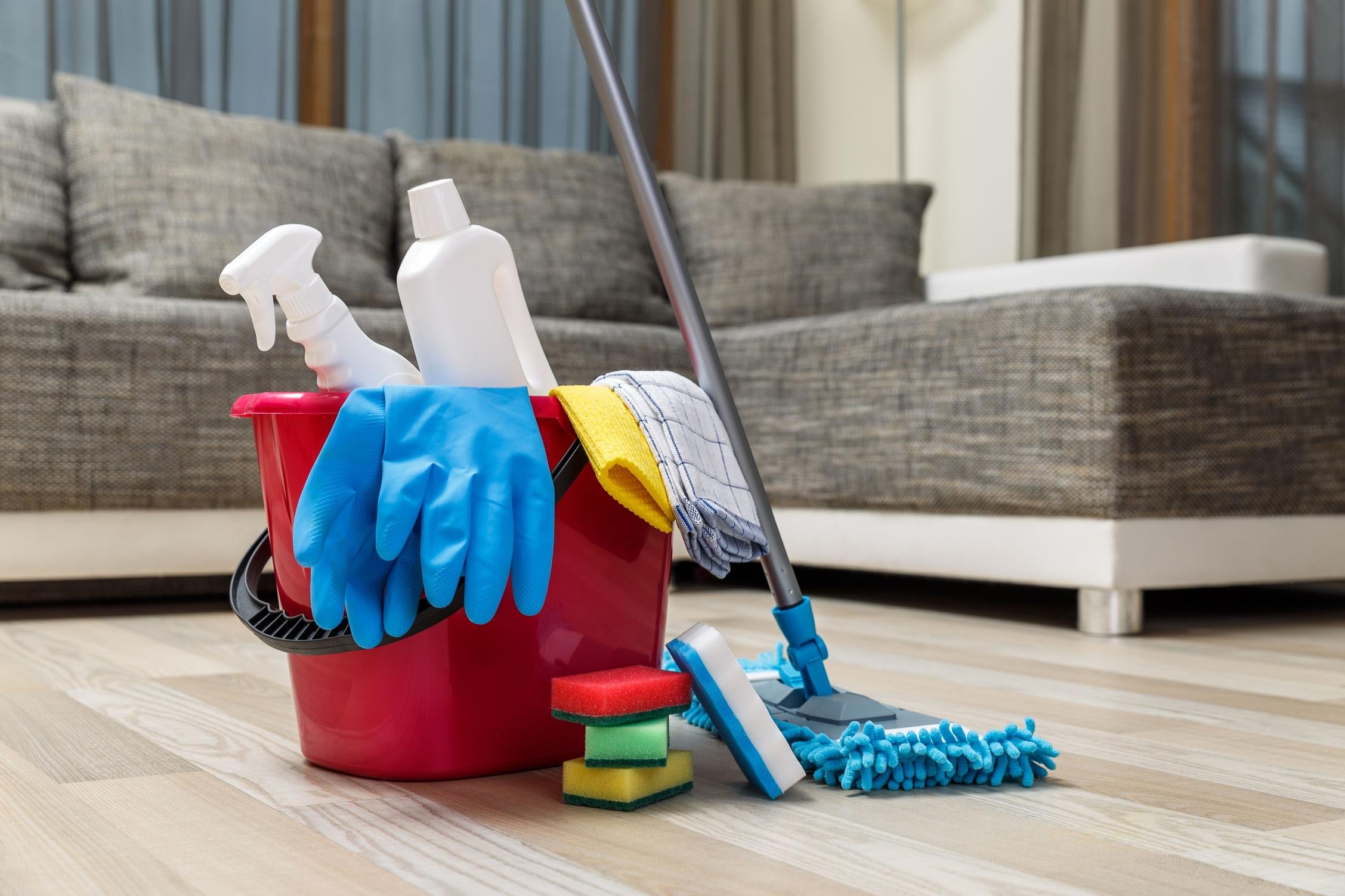
- Cleaning tools: A small plastic scraper or old sponge, a microfiber cloth, and rubber gloves to protect your hands.

Prepare the oven and apply the paste
First, make sure the oven is completely cold. Take out the oven racks, any baking sheets, and the thermometer. Set those items aside in your sink or tub to wash separately later. Mix your baking soda and water in a small bowl until it forms a thick paste that looks like damp spackling paste. If it is too dry, add a few drops of water until it spreads easily.
Put on your gloves and spread the paste all over the interior surfaces of the oven. Put it on the back, sides, bottom, and inside of the glass door. Avoid placing the paste directly on the heating elements or the gas ignition slots. The paste will turn a brown color as it touches old grease, which is normal. Close the oven door and leave the mixture alone for at least twelve hours or overnight. You can learn more about general cleaning methods to keep the rest of your kitchen neat while you wait.
Wipe away the baking soda layer
After twelve hours have passed, the baking soda paste will be dry and hard. Take your damp microfiber cloth and wipe out as much of the dried paste as you can. Use your plastic scraper gently on any stubborn spots where burnt food is stuck to the bottom. Do not use metal scrapers or steel wool because they can scratch the enamel coating on the oven walls.
Once you remove the thickest layer of paste, take your spray bottle filled with white vinegar. Spritz the vinegar lightly over any remaining baking soda residue. The vinegar will foam up when it hits the baking soda, which helps lift the last bits of dirt. Take a clean damp cloth and wipe away the foam until the surfaces are smooth and clean.
Clean the oven racks and finish up
While your oven is soaking overnight, you can clean the metal racks in your bathtub or a large laundry tub. Lay a towel on the bottom of the tub to prevent scratches, place the racks on top, and cover them with hot water. Add half a cup of dish soap and let them sit for two hours.
- Scrub the warm metal bars with a dish sponge to remove soft grease.
- Rinse the racks thoroughly with clear water and dry them completely with a towel.
- Slide the clean, dry racks back into the oven.
- Wipe the outside of the oven door with your damp cloth to finish the job.
This simple process keeps your kitchen safe from strong fumes. It takes about fifteen minutes of actual effort, while the overnight soak does the hard work for you. Regular housekeeping routines like this keep your appliance working well for years.


No comments:
Post a Comment