
You can finish your pantry organization on a small budget in about forty-five minutes without buying expensive matching bins. The secret is grouping items by how you actually cook and using simple containers you already have at home. Follow these clear steps to clear the shelves, sort your food, and keep it neat all week long.
Clear the shelves and sort every item
Start by clearing everything off your pantry shelves and setting it all on your kitchen counter or table. Do not try to organize while food is still on the shelves. As you pull each item out, check the date on the box or can. Toss anything that is expired or stale. If you find unopened food that your family will not eat, put it in a separate bag right now to drop off at a local food bank.
Once the shelves are bare, take a damp cloth with warm water and a splash of dish soap. Wipe down every shelf from the top to the bottom. Let the shelves dry completely for ten minutes while you sort your remaining food. Wiping the corners and crumbs away first gives you a fresh, clean base to build on.
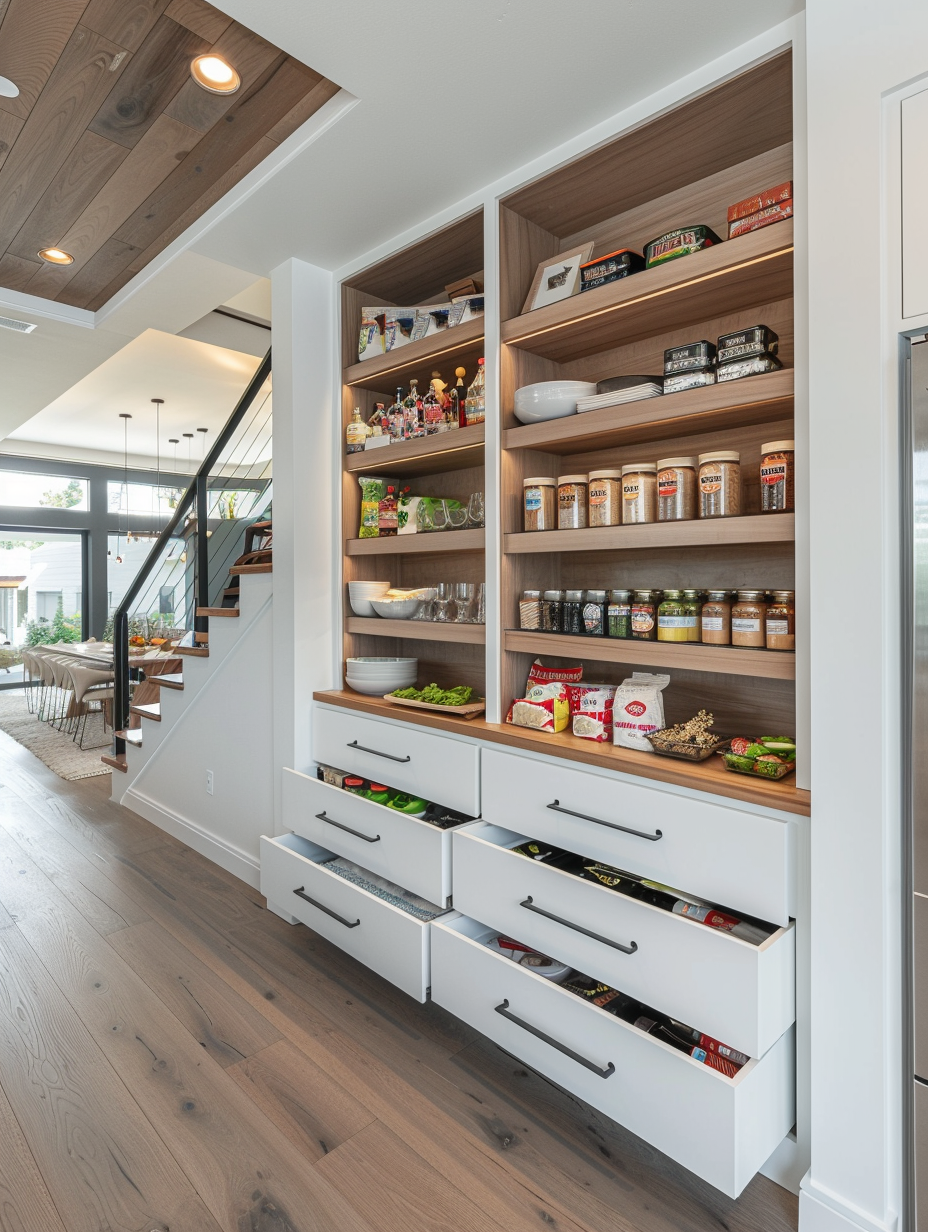
How do you organize a pantry on a tight budget?
The most practical way to tackle pantry organization on a small budget is to use what you already own instead of shopping for plastic organizers. Upcycled glass sauce jars, washed takeout tubs, and sturdy delivery boxes work just as well as high-end storage sets. You can cut the tops off small cardboard boxes from your deliveries to make custom shelf dividers that cost nothing at all.
Group your food into sensible categories on your counter before anything goes back inside. This method draws straight from the field of professional organizing, which focuses on keeping similar items together so you never buy duplicates by mistake.
- Baking supplies: flour, sugar, baking powder, and vanilla.
- Dinner staples: pasta, white rice, brown rice, and dried beans.
- Canned goods: tomatoes, beans, tuna, and broths.
- Quick breakfasts: oatmeal tubs, cereals, and pancake mix.
- Snacks: nuts, crackers, dried fruit, and chips.
- Spices and oils: cooking oil, vinegars, and extra seasoning jars.
Put items back in the right zones
Place your food back onto the shelves using simple everyday zones. Put the items you use every single day right at eye level and within arm's reach. This usually means snacks, lunch items, and breakfast cereals go in the middle. Put heavy items, such as large sacks of flour, extra bottles of oil, and big bags of potatoes, on the floor or the lowest shelf so they are safe and easy to lift.
Use the highest shelf for things you only need once or twice a month, like holiday baking supplies, spare party napkins, or bulk backstock. Keep your canned goods grouped together with their labels facing forward. Line up your cans two deep at most so you can always see what is sitting behind the front row without moving five things out of the way.
Simple steps to keep your pantry tidy
A tidy pantry stays that way only if you follow a quick maintenance routine when you unpack your groceries. Routine housekeeping takes only three minutes after each grocery trip if your zones are clearly set up. When you bring new boxes or cans home, slide the older items to the front and put the new ones behind them.
- Decant half-empty bags of rice or oats into clean glass pickle jars to keep them fresh.
- Write contents and dates on jars using plain masking tape and a black marker pen.
- Keep an open wire basket or cardboard tray near the front for loose snack packs.
- Check the bottom floor of your pantry once a week to sweep out stray onion skins or dried crumbs.
- Wipe down sticky honey or molasses bottles before putting them back on the shelf.
Take five minutes at the end of every week to look over your shelves. Toss empty snack wrappers and push cans back into neat rows. When every item has a specific spot that costs nothing to set up, putting food away takes no extra thought.


No comments:
Post a Comment