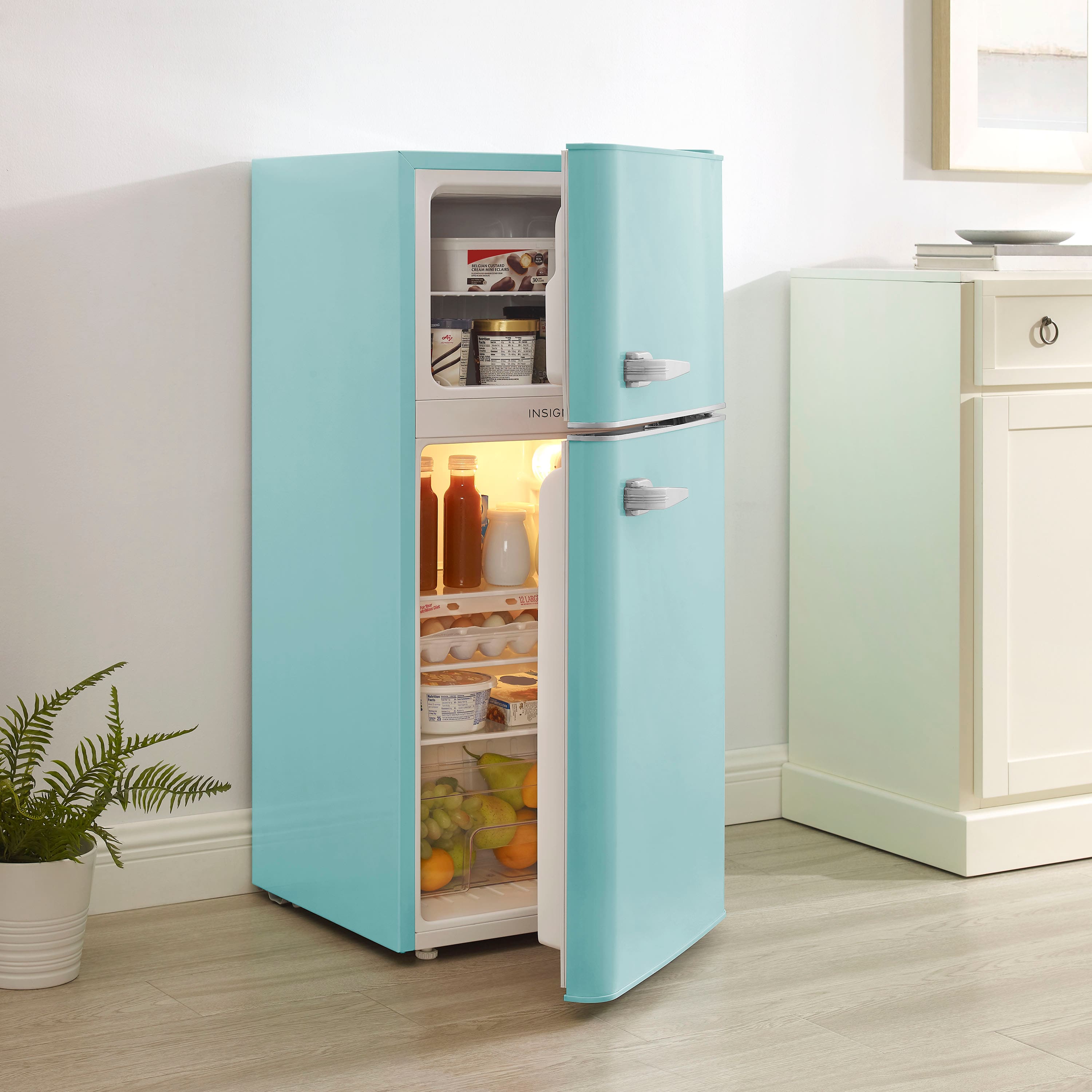
Organize your fridge by puting food in temperature zones and using clear bins for loose items. Put dairy on cold middle shelves, raw meat on the bottom shelf, and keep milk off the door. This layout stops food from spoiling early and makes cleaning take five minutes a week.
Top shelves for dairy and ready food
The top shelves have a steady temperature that keeps cooked food fresh. Use this space for leftovers, drinks, snacks, and ready meals that you plan to eat in the next three days. Put cooked items near the front so you see them first every time you open the door.
Keep your yoghurt, sour cream, and cheeses together on one side of the top shelf. Grouping similar foods stops small pots from hiding in the back corners. Use a simple clear tray for soft cheeses so you can pull the whole basket out at once when you make lunch.
- Place leftovers in clear glass containers on the middle of the top shelf.
- Store deli meats and hard cheese in a low clear drawer just below the top shelf.
- Put snack pots like hummus and prepped fruit right at eye level.

Bottom shelf for raw meat and fish
The bottom shelf is the coldest area in the main compartment of your fridge. Store all raw meat, poultry, and fish on this shelf inside a rimmed tray. The tray catches any leaks before drips reach your produce drawers or lower surfaces.
Never pack the bottom shelf too full. Cold air needs space to move around the containers so meat stays safely chilled. Leave two inches of space between packs of meat and the back wall of the fridge to prevent frost from building up on packaging.
Humidity drawers for fruit and vegetables
Vegetables need high humidity to stay crisp, while fruits need low humidity so they do not rot. Set the slider on your vegetable drawer to closed to trap moisture for leafy greens, carrots, and broccoli. Set the fruit drawer slider to open so ethylene gas can escape from apples and berries.
Line both drawers with washable cloth mats or dry paper towels before you load them with produce. The paper absorbs extra moisture that makes lettuce turn soft and slime quickly. Replace the towels once a week when you buy new groceries.
- Wash and thoroughly dry leafy greens before putting them in the high humidity drawer.
- Keep unwashed berries in their original vented boxes inside the low humidity drawer.
- Separate apples and bananas from leafy greens to stop early yellowing.
Fridge door shelves for condiments and jams
The door is the warmest part of the whole fridge because it hits room air every time you open it. Store foods with natural preservatives here, like mustard, ketchup, salad dressings, fizzy drinks, and jars of pickles. These items can handle temperature changes without going bad.
Move your milk jug and fruit juice off the door shelves immediately. Put milk on the cold middle or bottom shelf near the back wall where the temperature stays cool. Use the narrow door slots only for small jars, hot sauce bottles, and paste paste tubes.
Weekly reset plan to keep it neat
Set a timer for ten minutes every Friday morning before you buy fresh groceries. Wipe down empty spots on shelves with a soft cloth dampened with warm water and two drops of dish soap. Wipe up dried sticky rings under sauce bottles before putting them back.
Check the expiration dates on open jars twice a month to throw out old items. Keep an empty space on the middle shelf for new leftovers so your system never breaks down when you bake or cook large dinners on the weekend.
- Throw away food that is past its best before you write your grocery list.
- Move older jars to the front of the shelf before placing new ones behind them.
- Wipe down the front handle and outer door seal with warm soapy water.


No comments:
Post a Comment