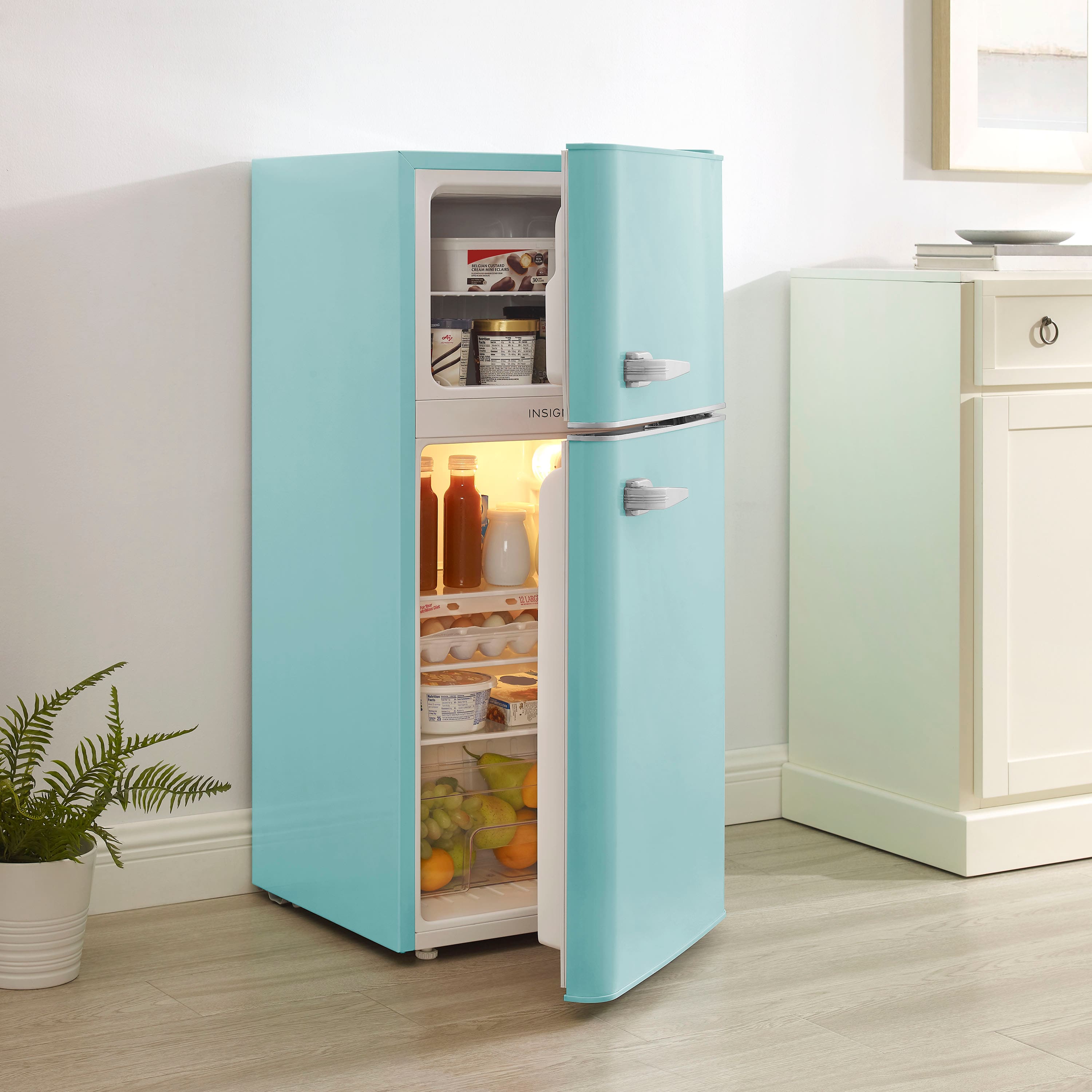
Put your fresh food on the middle shelves and raw meat on the very bottom shelf. Keep milk on an upper shelf inside the main body instead of the door, where the temperature changes every time you open it. This simple layout keeps your food safe and makes weekly cleaning take less than five minutes.
The Top and Middle Shelves for Ready Foods
The top shelves have the most consistent temperature in your fridge. Use these spots for foods that do not need cooking, like leftover meals, drinks, dips, and ready snacks. Group your items in clear bins so you can pull out the whole bin when you need something from the back.
Place items you eat every day right at eye level on the middle shelf. When you open the fridge door, you should see your fresh food right away so you use it before it spoils. Keep items packed in single layers rather than tall stacks that can fall over.
- Top shelf: Leftovers in glass tubs, drinks, yogurts, and prepared snacks.
- Middle shelf: Eggs, cheese, deli meats, and foods you need to finish within two days.

The Bottom Shelf for Raw Proteins
The bottom shelf is the coldest part of the main fridge section. Keep your raw chicken, meat, and fish on this low shelf to prevent any liquid from dripping onto other food below. Place a cheap plastic tray under raw meat packages to catch stray leaks.
Never pack the bottom shelf completely tight with food. Air needs to move around the back vents to keep the cold temperature steady. Leave two inches of space between your items and the back wall to prevent vegetables or meat from freezing accidentally.
Drawers for Produce and Humidity Control
Crisper drawers hold in moisture to help your fresh produce last longer. Most fridges have two drawers at the base, and you can adjust the small plastic sliders on the front to change the air flow for different types of food.
Set one drawer to high humidity by closing the vent slide completely. Set the second drawer to low humidity by leaving the vent slide wide open. Line both drawers with a plain paper towel to catch loose dirt and absorb extra moisture.
- High humidity drawer (vent closed): Leafy greens, carrots, cucumbers, broccoli, and fresh herbs.
- Low humidity drawer (vent open): Apples, pears, lemons, oranges, melons, and avocados.
The Fridge Door for Stable Items
The door is the warmest part of your fridge because it touches room air every time you open it. Store only items here that have natural preservatives or low risk of spoiling quickly. Avoid putting fresh milk or soft cheeses in the door racks.
Group your door items by type so family members can find them fast. Keep sweet items like jam and syrup on one shelf, and salty or sour items like mustard, hot sauce, and pickles on another shelf. Wipe the door shelves with a warm cloth once a week.
The Weekly Ten Minute Reset Plan
Maintain your organized fridge by doing a fast reset every week right before you buy new groceries. This stops old food from hiding in the back and saves your money. You do not need to take out every shelf for a regular clean.
Set a timer for ten minutes every Sunday afternoon and run through these simple steps to keep the space fresh and ready for the week ahead.
- Throw away any cooked food older than four days or fruit that has gone soft.
- Wipe down any sticky shelf spots with a microfibre cloth and warm water.
- Move older food items to the front of the shelf before putting away fresh groceries.
- Replace the paper towels at the bottom of your crisper drawers if they feel damp.


No comments:
Post a Comment